Source cute fluffy plush bat for Gifts, Decor, and Stress Relief
Compare 30 listings for cute fluffy plush bat options featuring custom designs, various sizes, and soft materials. Buyers can evaluate suppliers offering OEM services, multiple certifications, and flexible MOQs for Halloween parties or daily comfort; compare the available evidence and request quotations based on your requirements.
Key considerations
Products List
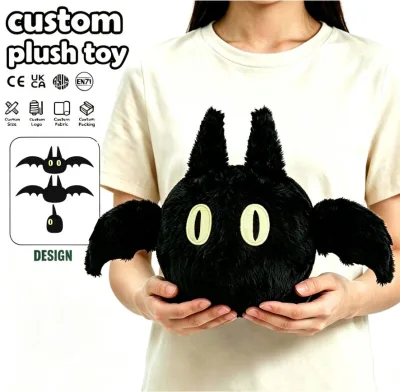
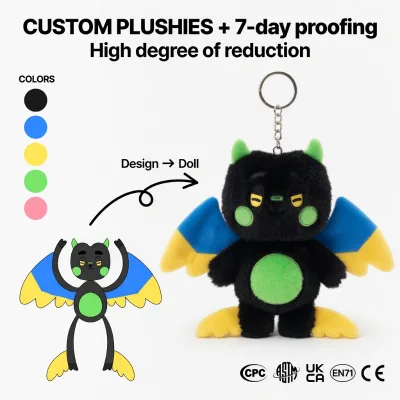
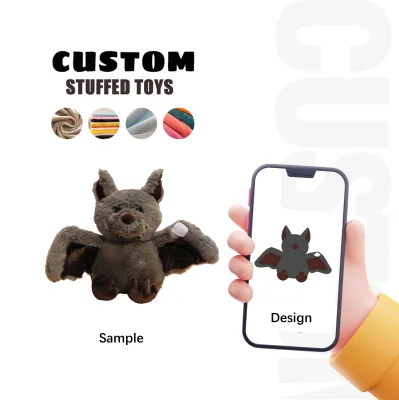
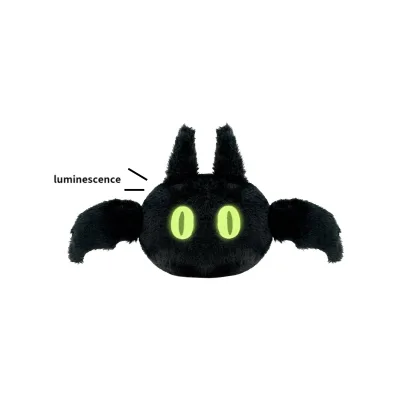




Comprehensive Sourcing Guide
Cute Fluffy Plush Bat Sourcing Guide
Sourcing custom plush bats requires balancing aesthetic appeal with strict safety compliance, particularly for younger demographics. Buyers must navigate a market where "cute" and "fluffy" descriptors often mask significant variations in material quality and manufacturing precision. The core challenge lies in verifying that the softness and visual charm do not compromise structural integrity or safety standards. Procurement teams should prioritize suppliers who demonstrate consistent quality control in embroidery and stitching, as these are critical for preventing small part detachment.
This guide focuses on the specific attributes observed in current listings, such as the use of super soft plush materials and embroidered details. It provides a framework for evaluating suppliers based on tangible product facts rather than marketing claims. By understanding the technical specifications and commercial terms associated with these items, buyers can make informed decisions that align with their brand’s quality expectations and regulatory requirements. The following sections detail the essential verification steps for successful procurement.
Product Scope and Observed Listing Signals
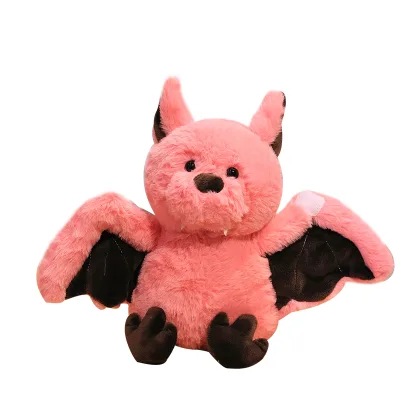
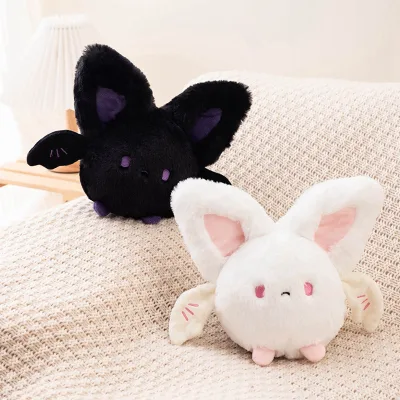
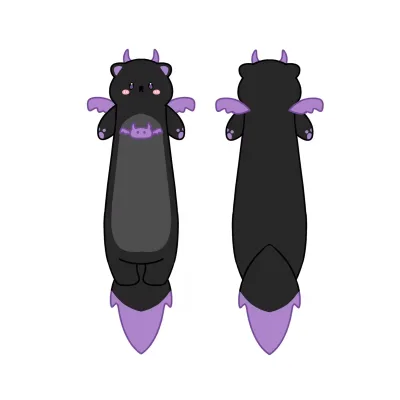
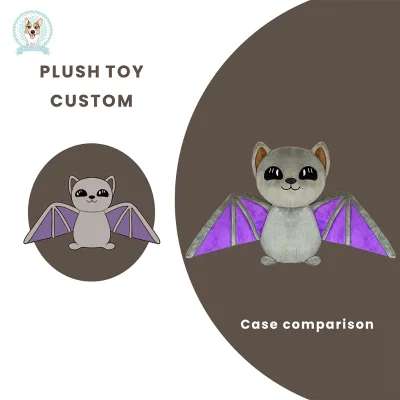
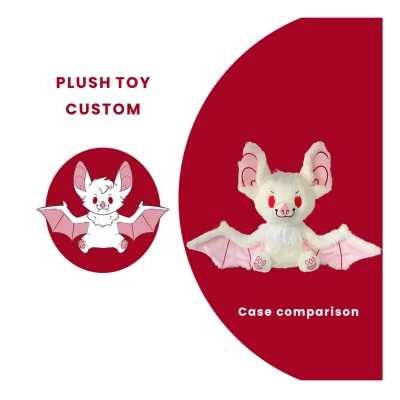
The observed product range includes custom animal plushies, with specific listings highlighting bat designs and TOY STORY characters. These items are typically marketed for stress relief and as decorative gifts, suitable for occasions like Halloween and parties. The materials listed include super soft plush, short plush, long plush, and fur, often lined with polyester. Buyers should note that while the aesthetic is consistent, the specific material composition can vary between suppliers, affecting both the tactile experience and the final product’s durability.
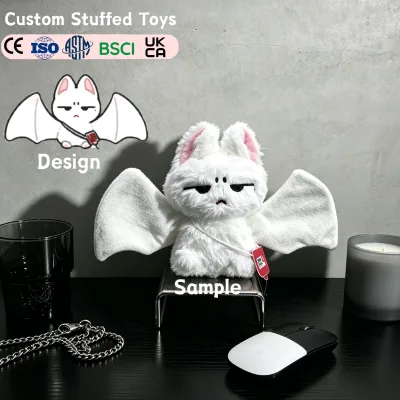
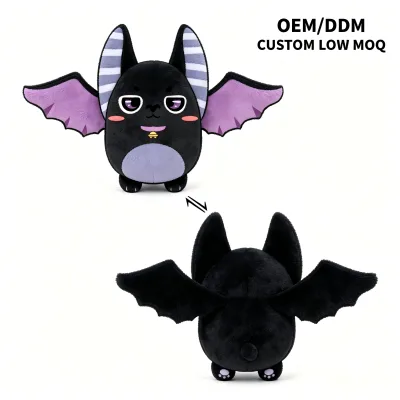
Listing signals indicate a high degree of customization, with options for custom sizes, colors, and logos. The observed height ranges from 0-10cm to 11-30cm, allowing for diverse product lines. Some listings specify a single package size of 10X10X10 cm, while others list 10X5X5 cm, suggesting variability in packaging efficiency. Procurement teams must verify these dimensions against their logistical needs, as packaging size directly impacts shipping costs and storage requirements. The presence of OEM/ODM acceptance indicates that most suppliers are open to bespoke designs, but buyers must confirm the feasibility of their specific design requests.
Technical Specifications to Verify
Technical verification begins with the material composition, which is critical for both safety and customer satisfaction. Listings mention filling materials such as 100% polyester, PP cotton, nanoparticle, and cotton. Buyers must confirm the exact filling type, as some materials may offer better resilience or hypoallergenic properties than others. The main material is often described as plush, but the specific type, such as short or long plush, affects the texture and maintenance requirements. Procurement teams should request physical samples to assess the softness, density, and overall feel of the materials before placing bulk orders.
Stitching and embroidery techniques are another key area for verification. Many listings highlight embroidered details, which are generally more durable than printed designs. Buyers should inspect the tightness of the stitching and the quality of the embroidery thread to ensure it will not fray or detach after washing. The model numbers listed, such as "Stuffed Animals" or "custom," are often generic and do not indicate specific quality tiers. Therefore, buyers must rely on detailed product specifications and sample evaluations rather than model numbers to assess technical quality.
Compliance and Safety Documentation
Safety compliance is paramount when sourcing plush toys, especially those intended for children. Listings often cite certifications such as CE, EN71, UKCA, and CPC. Buyers must verify that these certifications are valid and applicable to the specific product and destination market. The CPC certification, for instance, is required for products sold in the United States for children under 12 years old. Procurement teams should request copies of these certificates and cross-reference them with the issuing bodies to ensure authenticity.
Age range specifications are also critical for compliance. Listings indicate age ranges from 0 to 24 months up to 14 years and up. Products intended for younger children, particularly those under three years, must meet stricter safety standards regarding small parts and choking hazards. Buyers must ensure that the product design and materials align with the stated age range. Additionally, the use of specific materials, such as nanoparticle filling, may require additional safety assessments. Procurement teams should work with suppliers to confirm that all safety claims are substantiated by independent testing.
Cost Drivers and Commercial Terms
Cost drivers for custom plush bats include material selection, customization complexity, and order volume. The observed MOQ ranges from 1 piece to 3000 pieces, offering flexibility for different business models. However, lower MOQs often come with higher per-unit costs due to setup fees and limited production efficiency. Buyers should evaluate the total cost of ownership, including shipping and packaging, rather than focusing solely on the unit price. The single gross weight of 0.2 kg to 0.5 kg also impacts shipping costs, so accurate weight verification is essential.
Commercial terms such as sample time and payment conditions are also significant factors. Listings indicate a sample time of 7 working days, which is relatively quick but may vary based on design complexity. Buyers should confirm the sample cost and whether it is refundable upon placing a bulk order. Payment terms, such as deposits and balance payments, should be negotiated to mitigate financial risk. Procurement teams should also consider the lead time for bulk production, as delays can impact inventory levels and sales cycles.
Supplier Qualification and Quality Control
Supplier qualification involves assessing their manufacturing capabilities and quality control processes. Buyers should verify the supplier’s experience in producing plush toys, particularly those with embroidered details and custom designs. The place of origin, Jiangsu, China, is a known hub for textile and plush manufacturing, but buyers must still conduct due diligence on individual suppliers. Requesting references or case studies can provide insight into the supplier’s reliability and consistency.
Quality control measures should be clearly defined and agreed upon before production begins. Buyers should specify inspection criteria, such as stitching quality, material consistency, and packaging accuracy. Third-party inspection services can be employed to verify product quality before shipment. Procurement teams should also establish a clear process for handling defects or non-conforming products. Regular communication with the supplier during the production process can help identify and resolve issues early, ensuring that the final product meets the buyer’s expectations.
Long-Term Procurement Checks
Long-term procurement success depends on continuous monitoring of supplier performance and market trends. Buyers should regularly review supplier quality metrics, such as defect rates and on-time delivery performance. Establishing a scorecard system can help track these metrics and identify areas for improvement. Procurement teams should also stay informed about changes in safety regulations and material standards, ensuring that products remain compliant over time.
Building a strong relationship with the supplier can lead to better pricing and priority service. Regular feedback and collaboration on new designs can foster innovation and improve product offerings. Buyers should also consider diversifying their supplier base to mitigate risk. By maintaining a proactive approach to supplier management, procurement teams can ensure a steady supply of high-quality custom plush bats that meet customer demands and regulatory requirements.
FAQs
Can I customize the size of the plush bat?
Yes, custom sizes are available for these plush toys. The standard height ranges from 0 to 30 cm, allowing you to select dimensions that fit your specific design needs. You can choose from short plush, long plush, or fur materials to achieve the desired look and feel for your custom animal plushies.
What certifications do these plush bats have?
These plush toys hold CE, EN71, UKCA, and CPC certifications. These credentials ensure compliance with international safety standards for children's products. The items are made from super soft plush and polyester filling, making them suitable for various age groups from infants to adults while meeting rigorous quality requirements.
What is the minimum order quantity for these items?
The minimum order quantity is just one piece. This low MOQ allows buyers to test the product quality before committing to larger orders. You can order a single sample to verify the embroidery techniques and material softness, ensuring the final bulk production meets your exact expectations for the custom stuffed animals.
How long does it take to produce a sample?
The sample time is seven working days. This quick turnaround allows you to review the custom design, logo placement, and material quality efficiently. Once the sample is approved, you can proceed with confidence to place larger orders for your Halloween party gifts or decorative plush bat collections.
What materials are used in the plush bat filling?
The filling consists of PP cotton, nanoparticle, and cotton blends. These materials provide a soft, squishy texture ideal for stress relief and comfort. The outer material options include short plush, long plush, and fur, all lined with polyester to ensure durability and a premium feel for your custom plush toys.
Can I add my own logo to the plush bat?
Yes, customer logos are accepted for these custom plush toys. You can use embroidered techniques to apply your brand identity directly onto the plush surface. This customization option makes the items perfect for promotional gifts, party favors, or branded merchandise, allowing you to create unique products that stand out in the market.